Building a custom home in Reno involves a level of complexity that most buyers underestimate until they are already in the middle of the process. The decisions made during planning directly affect what happens during construction, and the decisions made during construction affect how the finished home performs over decades of daily use. Understanding the full arc of the process before it begins, from site selection and design through permitting, construction, and final inspection, gives buyers a realistic picture of what they are committing to and what they should expect at each phase. BRG Homes has guided clients through this process across more than 500 custom builds in Northern Nevada, and this guide reflects the kind of practical knowledge that comes from sustained experience in this specific market.
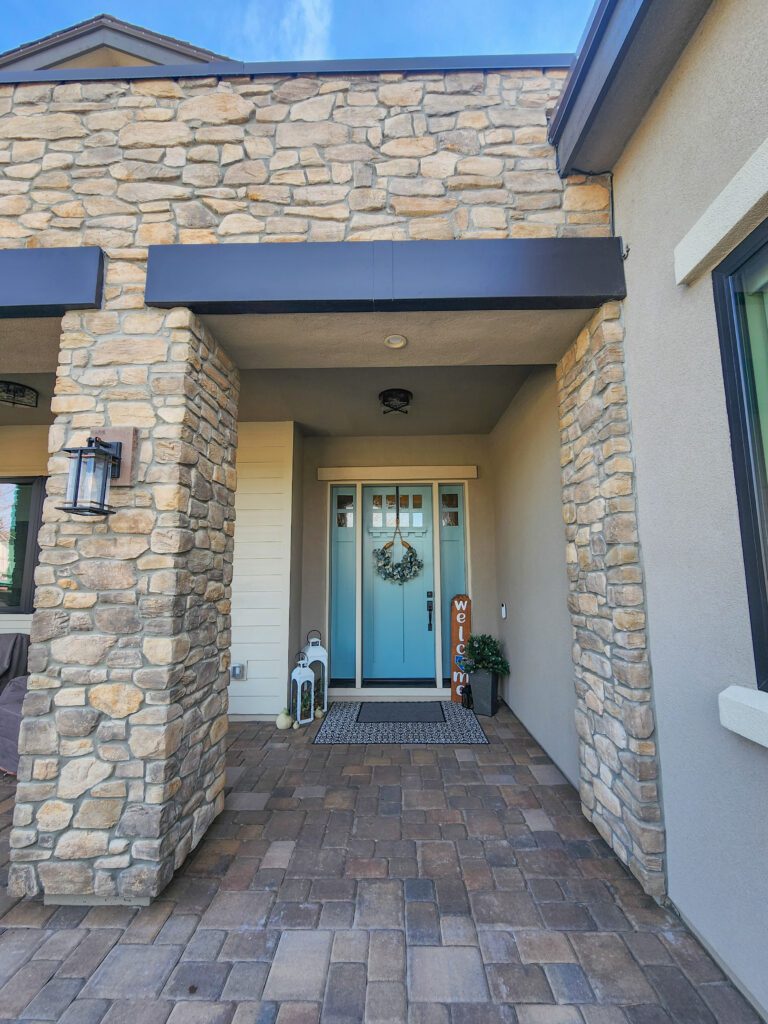
The timeline for a custom home in Reno from the beginning of the design phase through the final certificate of occupancy typically runs between twelve and eighteen months when all phases are accounted for. The construction phase itself, once permits are issued and the ground is ready to work, generally spans eight to twelve months depending on the size and complexity of the home. Design and pre-construction work, including developing and refining plans, completing engineering, and preparing permit applications, adds time before the first shovel enters the ground. Buyers who approach the process expecting to move in within six months of their first planning meeting tend to encounter frustration, while those who build the full timeline into their expectations manage the process more comfortably.
The sequence of the build matters as much as the total duration. Foundation work, framing, rough mechanical installation, inspections, insulation, drywall, finish work, and final inspections all depend on the phase before them being complete and approved. Any delay at an early phase creates schedule pressure downstream that can be difficult to recover without affecting quality or cost. Custom home builders Reno NV buyers work with need to demonstrate an ability to manage this sequencing proactively rather than reactively, because reactive schedule management is where cost overruns and extended timelines tend to originate.
BRG Homes uses project management tools and hands-on site oversight to track progress against the construction schedule in real time rather than discovering slippage after it has already accumulated into a significant delay. Keeping subcontractors scheduled, material deliveries coordinated, and inspection appointments lined up requires continuous attention throughout the build rather than periodic check-ins. Buyers who ask a prospective builder how they manage schedule adherence across all active projects get useful insight into how the builder is likely to perform when their own project is underway. A builder who has a clear, process-based answer to that question is better positioned to deliver on a timeline commitment than one whose answer relies primarily on general assurances.
Reno's climate introduces construction variables that builders working in more temperate regions do not have to account for in the same way. Winter conditions between November and March can affect foundation work, concrete placement, and other phases of construction that depend on workable ground temperatures, which means the sequencing of a project needs to account for seasonal windows rather than treating all months as equivalent. A project that reaches the foundation phase in late fall may face delays in completing that work before winter conditions make it impractical, adding weeks to the schedule if the timing was not planned for in advance. Experienced custom home builders reno nv clients rely on understand these seasonal constraints and build them into the project plan from the beginning.
Summer in Reno brings its own construction considerations. Heat affects the curing of concrete, the working conditions of crews on exposed job sites, and the scheduling of phases that are sensitive to temperature extremes at the high end of the range. Roofing, exterior painting, and certain finish work all have temperature windows within which they perform best, and a builder managing multiple projects simultaneously needs to coordinate these phases intelligently across the season. BRG Homes has navigated Northern Nevada's full range of seasonal conditions across more than fifteen years of continuous operation, which means the team plans around these variables rather than encountering them as surprises.
Material selection for a Reno custom home also reflects climate considerations that go beyond aesthetics. Exterior materials need to handle significant UV exposure, temperature cycling between seasons, and the dry air that affects wood-based products differently than in more humid climates. Interior finishes in a high desert environment behave differently than those specified for coastal or mild-climate homes, and a builder who selects materials without accounting for local conditions may produce a home that requires more maintenance over time than the client anticipated. BRG Homes incorporates climate-appropriate material selection into its design and specification process so that the finished home performs well under the actual conditions it will experience rather than theoretical ones.
Custom home construction in Reno operates within a cost range that reflects the complexity of the build, the quality of materials specified, and the size and design of the home. A realistic budget for a custom home in this market generally falls between three hundred and six hundred dollars per square foot for construction costs, with projects at the higher end of the design and finish spectrum sitting toward the top of that range. These figures cover the direct cost of construction but do not include land acquisition, site preparation, utility connections, landscaping, or furnishings, all of which add to the total investment. Buyers who begin the planning process with a clear picture of these cost categories are better positioned to make informed decisions throughout the design phase than those who focus only on the construction line item.
Scope creep is one of the most common sources of budget overruns on custom home projects, and it tends to accumulate through a series of individually reasonable decisions rather than a single large change. An upgrade to a flooring material here, an addition to the outdoor living space there, a change to the kitchen layout that requires structural adjustment: each decision feels manageable in isolation but their cumulative effect on the budget can be significant by the time the home reaches the finish phase. BRG Homes addresses this pattern by maintaining transparent communication about the cost implications of selection decisions throughout the process rather than deferring those conversations until a budget reconciliation at the end of a phase. That discipline helps buyers stay aligned with their original financial intent rather than discovering the gap at a point when reversing decisions has become expensive.
Contingency planning is a standard part of responsible custom home budgeting. Conditions discovered during excavation, material pricing changes over a build that spans many months, and design refinements that arise once the home begins to take physical shape all create legitimate cost variation that even the most thorough pre-construction planning cannot fully eliminate. A reasonable contingency allocation gives a project the financial flexibility to absorb these variations without requiring the client to make difficult trade-offs mid-build. Custom home builders Reno NV buyers should work with will discuss contingency planning directly rather than presenting a budget that assumes perfectly predictable conditions from start to finish.
What the Permitting Phase Involves and How BRG Homes Guides Clients Through It
The permitting phase for a custom home in Reno typically spans two to four months from application submission to permit issuance, depending on the reviewing jurisdiction, the completeness of the submitted documents, and the current volume of applications being processed. Washoe County and the City of Reno have their own review processes and timelines, and projects that cross jurisdictional lines may involve coordination between multiple agencies. A permit application that comes back with revision requests adds time to this phase, which is one reason why the quality of the initial submission matters considerably. BRG Homes helps guide clients through the permitting process with documentation prepared to meet reviewer requirements rather than treating the first submission as a starting point for a revision cycle.
The permitting phase is not dead time in the project schedule if it is managed correctly. Design finalization, material specification, subcontractor scheduling, and site preparation work can all advance during the review period so that the project is positioned to begin construction promptly once the permit is issued. A builder who uses the permitting window productively puts the client in a better position than one who treats it as a waiting period during which little else happens. BRG Homes coordinates pre-construction activity during the permit review phase so that the transition from permit issuance to groundbreaking moves without unnecessary delay.
Buyers should understand that permitting timelines are influenced by factors outside the builder's control, including agency staffing, revision cycles, and the overall volume of construction activity in the region. A builder who represents permitting as a predictable, fixed-duration phase is either working from an optimistic assumption or has not navigated enough projects through the local system to know how variable it can be. The honest answer is that permitting takes the time it takes, and the builder's job is to submit a complete, well-prepared application and respond to agency questions promptly. BRG Homes approaches this phase with that realistic posture, keeping clients informed of where their application stands and what the next steps are rather than offering assurances that cannot be backed up.
Building a custom home in Reno is a significant undertaking that rewards preparation, realistic expectations, and a builder who approaches the process with the experience and transparency the investment deserves. The timeline, climate considerations, budget planning, and permitting process all require informed navigation, and working with custom home builders reno nv buyers can trust to manage these variables honestly makes the difference between a process that feels manageable and one that feels reactive and stressful. BRG Homes brings more than fifteen years of Northern Nevada custom home building experience to each new project, along with the communication tools and hands-on management approach that keep clients informed and projects on track. Buyers ready to begin the planning process are encouraged to reach out to BRG Homes to discuss their vision, their site, and what the custom home building process looks like from the first conversation through move-in day.